





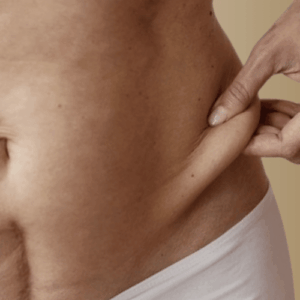

Stretch Marks
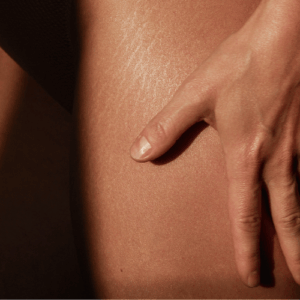
Stretch marks are a phenomenon where the skin is cracked or stretched, often appearing in the form of small scars after the skin undergoes rapid stretching. Stretch marks commonly occur in the abdominal, thigh, buttock, and chest areas
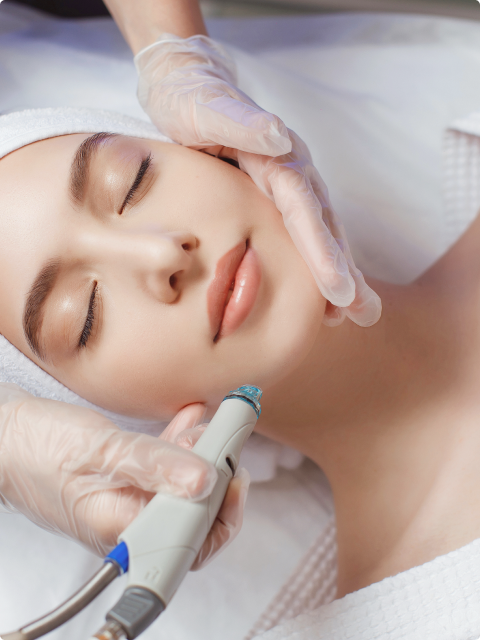
RECOMMENDED TREATMENTS
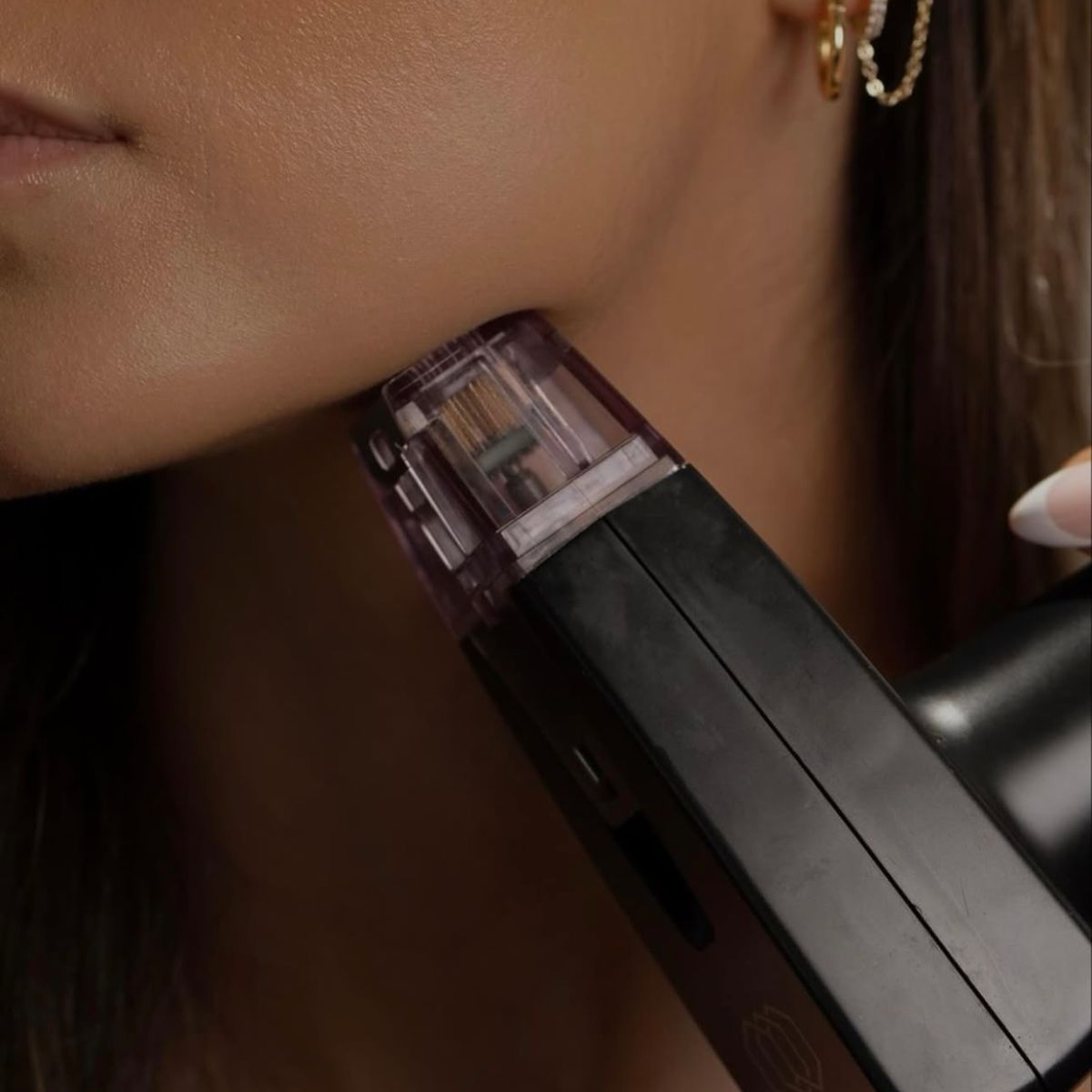
Morpheus8 (RF Microneedling)
Morpheus8 combines microneedling with radiofrequency energy to remodel skin, improve texture, and stimulate collagen production.
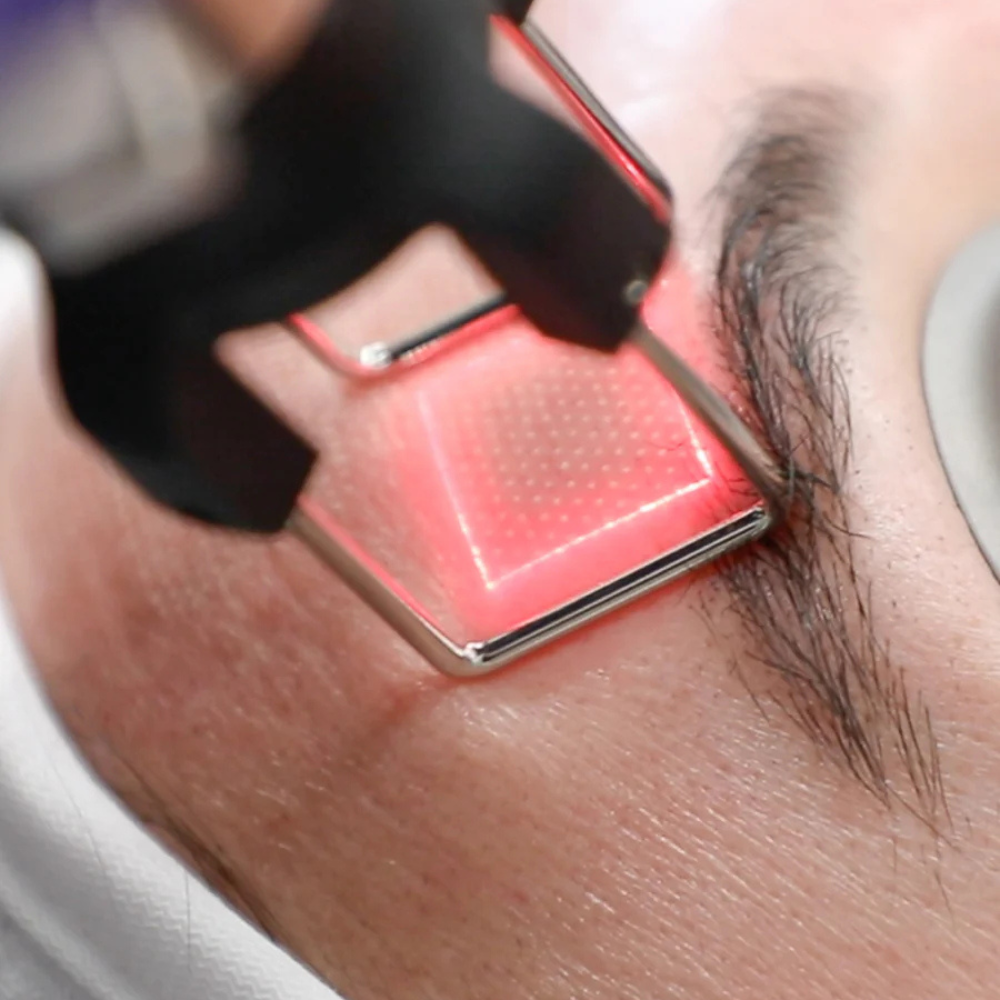
Fractional CO₂ Laser Resurfacing
Fractional CO₂ laser resurfacing is an advanced skin renewal treatment designed to improve scars, wrinkles, and skin texture through controlled skin resurfacing.
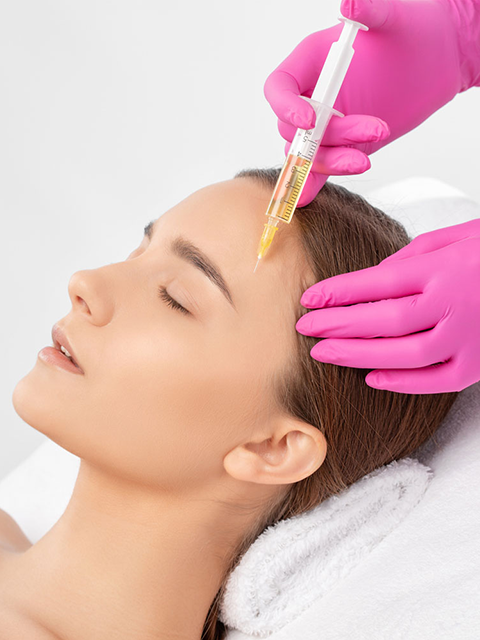
PRP / PRF Therapy
PRP and PRF therapies use the patient’s own blood components to stimulate tissue repair, collagen production, and natural regeneration.
Causes of Stretch Marks?
Stretch marks often occur when the skin undergoes rapid stretching without enough time for the production of sufficient collagen to maintain elasticity. Below are some main causes of stretch marks:
– Rapid Weight Gain: The rapid expansion of muscles and fat can lead to stretch marks, especially in the abdominal, thigh, and buttock areas.
– Pregnancy: Women during pregnancy often experience sudden expansion of the abdomen to accommodate the baby, leading to stretch marks in the abdominal, hip, and breast areas.
– Puberty: Rapid changes in the bodies of teenagers, especially rapid muscle and height growth, can result in stretch marks.
– Genetic Factors: If there are individuals with stretch marks in your family, there is a likelihood that you may also experience this issue.
– Nutrient Deficiency: Lack of collagen and other essential nutrients can cause the skin to lose elasticity, making it prone to stretch marks during expansion.
– Hormonal Changes: Hormonal transformations, such as during pregnancy or the use of hormones like corticosteroids, can increase the risk of stretch marks.
Can Stretch Marks be Treated?
Stretch marks can be treated; however, treatment does not guarantee complete removal of the marks and often focuses on making them less noticeable. Here are some common treatment methods:
– Stretch Mark Creams:
These creams typically contain ingredients like retinoids, vitamin C, vitamin E, and moisturizers to help rejuvenate the skin and reduce the appearance of stretch marks.
– Laser and Light Therapies:
Laser and light therapies can improve the color and texture of stretch marks by stimulating cell regeneration.
– Microneedling:
Microneedling uses small needles to create tiny wounds on the skin, promoting collagen production and reducing the visibility of stretch marks.
– Moisturizing Creams and Oils:
Using products containing moisturizing oils can help reduce skin dryness and blur the appearance of stretch marks.
– Internal Skin Care:
Maintaining a balanced diet, staying hydrated, and ensuring adequate nutrient intake can support skin regeneration and reduce the risk of stretch marks.
– Surgery and Specialized Therapies:
Procedures like laser fraxel, radiofrequency, or even surgeries like dermabrasion may be considered in severe cases of stretch marks.
However, it is crucial to understand that no method guarantees complete elimination of stretch marks. Treatment methods often achieve better results when started early and applied consistently.


