




Redness & Rosacea
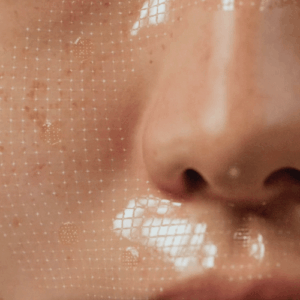
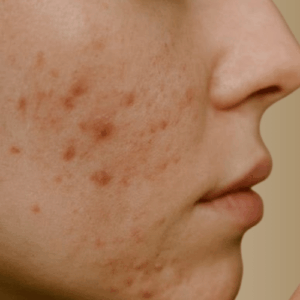
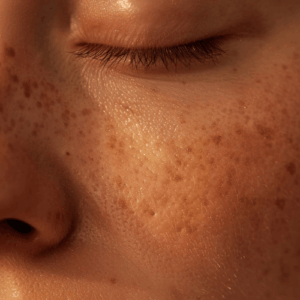
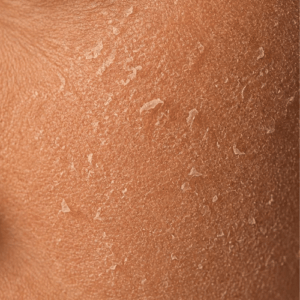
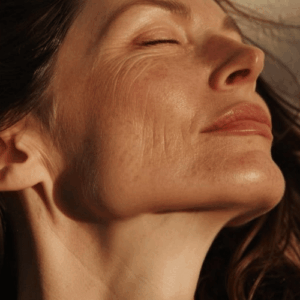
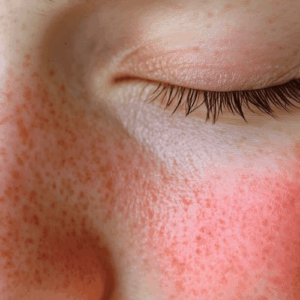
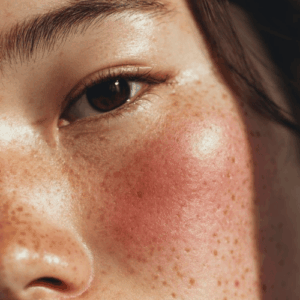
Redness and rosacea involve vascular sensitivity and inflammation.
RECOMMENDED TREATMENTS
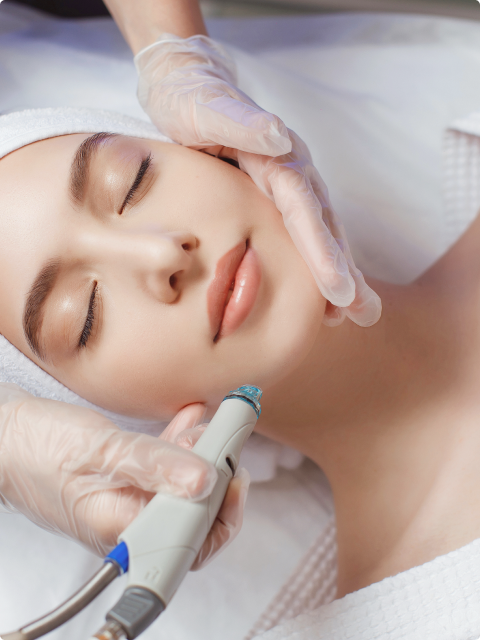
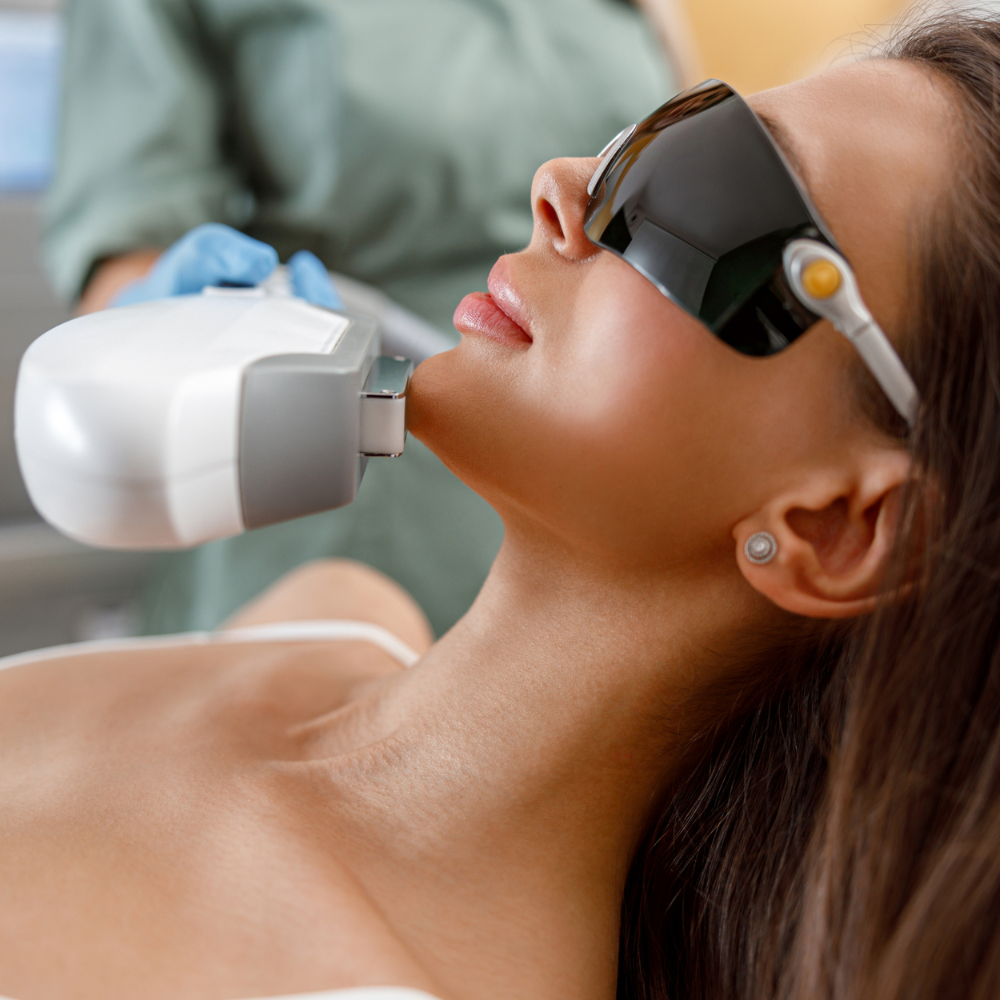
IPL Photo Facial
IPL photofacial is a light-based treatment designed to improve pigmentation, redness, and overall skin clarity with minimal downtime.
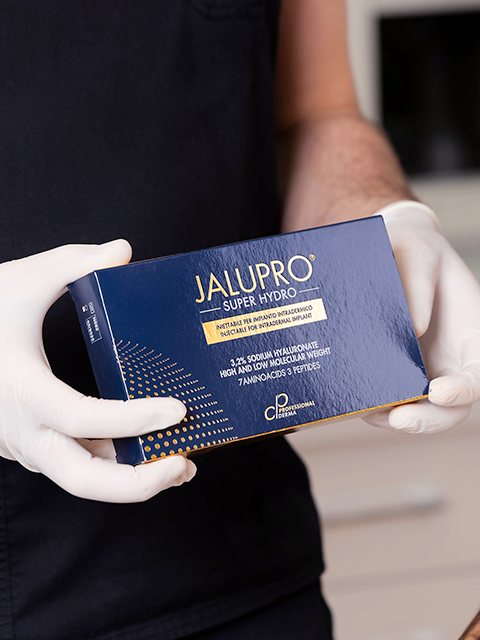
Skin Boosters
Skin boosters are injectable treatments designed to deeply hydrate the skin, improve elasticity, and enhance overall skin quality rather than altering facial volume.
Managing rosacea involves a combination of lifestyle adjustments, skincare practices, and, in some cases, medical treatments. It’s important to note that the effectiveness of treatments can vary among individuals, and a healthcare professional, preferably a dermatologist, should guide the treatment plan. Here’s a comprehensive overview of the symptoms and treatment options for rosacea:
Symptoms of Rosacea:
Flushing and Persistent Redness:
- Symptom: Frequent episodes of facial flushing and persistent redness, particularly on the central face
- Management: Identify and avoid triggers such as hot beverages, spicy foods, alcohol, and extreme temperatures.
Visible Blood Vessels (Telangiectasia):
- Symptom: Small blood vessels near the skin’s surface become visible.
- Management: Laser therapy, such as intense pulsed light (IPL), can help reduce visible blood vessels.
Papules and Pustules:
- Symptom: Inflammatory bumps resembling acne, including papules and pustules.
- Management: Topical or oral antibiotics, anti-inflammatory creams, or other prescription medications can be prescribed by a dermatologist.
Eye Irritation (Ocular Rosacea):
- Symptom: Dryness, burning, stinging, redness, and other eye symptoms.
- Management: Artificial tears, warm compresses, and prescription medications may be recommended by an eye doctor.
General Treatment Strategies:
Skincare Routine:
- Gentle Cleansing: Use a mild, non-abrasive cleanser to wash the face, avoiding harsh scrubbing.
- Sun Protection: Apply a broad-spectrum sunscreen with SPF 30 or higher daily to protect the skin from sun exposure.
Lifestyle Modifications:
- Identify Triggers: Keep a diary to identify and avoid triggers that worsen symptoms.
- Gentle Skincare: Choose hypoallergenic and fragrance-free skincare products.
- Counseling and Emotional Support: Rosacea can impact emotional well-being. Counseling and support groups may help individuals cope with the psychological aspects of the condition.
Please Always consult with a healthcare professional for an accurate diagnosis and personalized treatment plan. Individual responses to treatments can vary, and ongoing communication with your healthcare provider is crucial for monitoring progress and adjusting the treatment approach as needed.


